2-year Guarantee
Trusted brand
9000+ clients
Quality floor brands
Top rated service
4.7 million sqm
Affordable prices
Certified installer
2-year Guarantee
Trusted brand
9000+ clients
Quality floor brands
Top rated service
Affordable prices
Certified installer
4.7 million sqm
Blog
Read more about popular flooring news, trends, tips and advice.
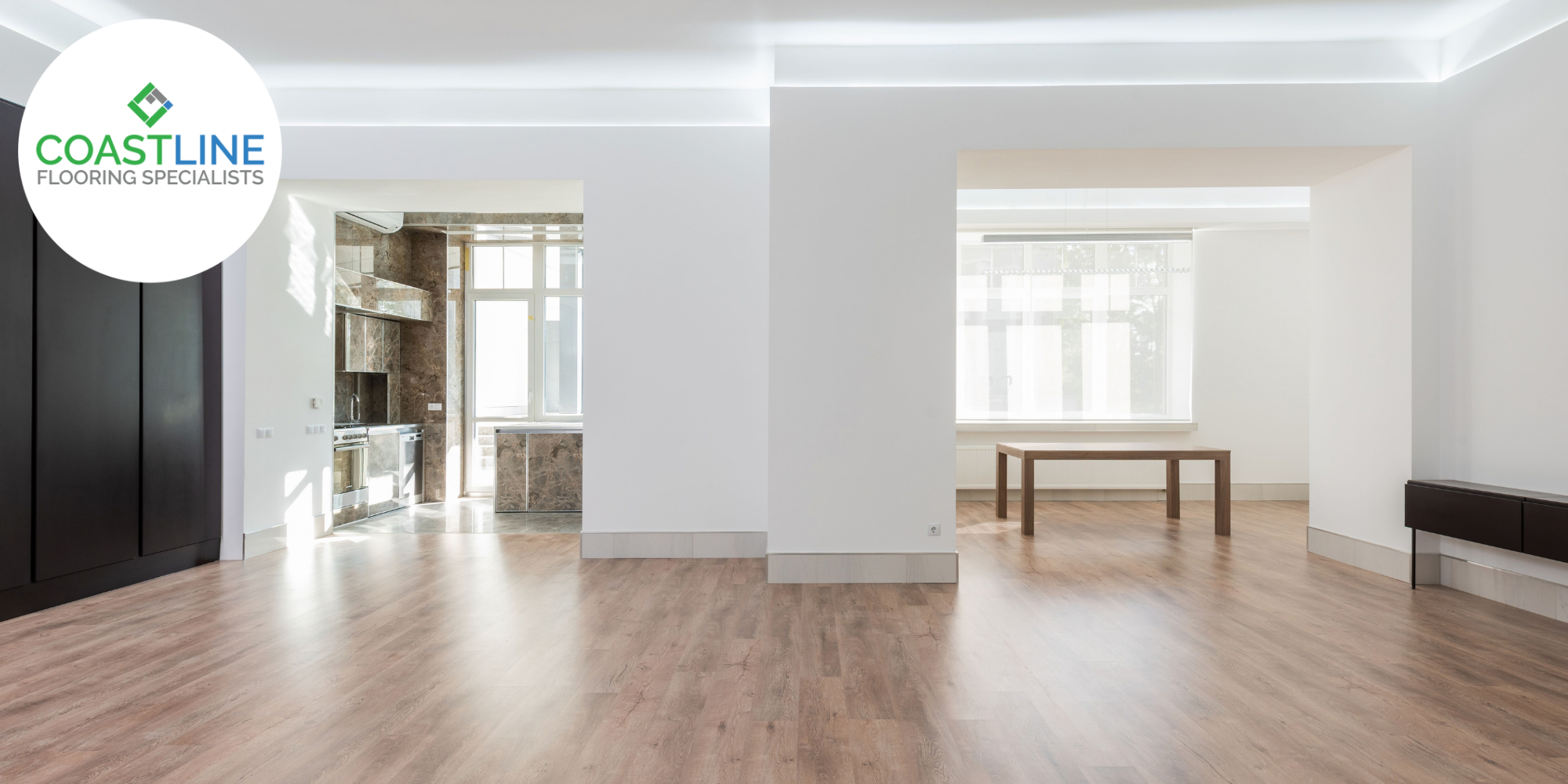
What Is Vinyl Sheeting and Where Does It Work Best?
When choosing new flooring, there are many options to consider. Vinyl sheeting is one that can sometimes be overlooked, but it offers a practical combination of durability, easy maintenance and design flexibility.
Unlike vinyl planks or tiles, vinyl sheeting is supplied in large rolls and installed as a continuous floor covering. This creates a smooth, relatively seamless surface that can be particularly useful in areas where cleanliness, moisture resistance and easy maintenance are important.
But where does vinyl sheeting work best, and is it the right flooring option for your space?
What Is Vinyl Sheeting?
Vinyl sheeting is a resilient flooring material made from several layers, including a backing layer, a printed design layer and a protective wear layer.
The design layer allows vinyl sheeting to replicate the appearance of materials such as timber, stone or tile, while the protective surface helps the flooring withstand everyday use.
One of its defining features is its format. Instead of installing individual planks or tiles, large sections of vinyl are cut to fit the room.
Depending on the size and layout of the space, this can significantly reduce the number of joins across the floor.
Why Choose Vinyl Sheeting?
One of the biggest advantages of vinyl sheeting is its practicality.
Easy to Maintain
Vinyl sheeting is relatively simple to clean and maintain, making it suitable for busy homes and commercial environments. Regular sweeping, vacuuming and appropriate mopping can help keep the surface looking its best.
Suitable for Moisture-Prone Areas
Because vinyl is resistant to moisture, it can be a practical flooring option in areas where occasional spills, splashes or damp conditions are a concern.
The reduced number of seams can also be beneficial in these environments, although correct installation is important to ensure the flooring performs as intended.
Comfortable Underfoot
Compared with harder flooring surfaces such as ceramic tiles, vinyl can have a slightly softer and warmer feel underfoot.
This can make a difference in rooms where people spend a lot of time standing or walking.
A Wide Range of Designs
Vinyl sheeting is available in a variety of colours, patterns and finishes. Modern designs can replicate the appearance of natural materials while offering the practical characteristics associated with vinyl flooring.
This means you don't necessarily have to choose between a particular aesthetic and a practical flooring solution.
Where Does Vinyl Sheeting Work Best?
Vinyl sheeting can be used in many different environments, but some spaces particularly suit its characteristics.
Kitchens
Kitchens experience plenty of foot traffic, spills and regular cleaning. Vinyl sheeting can provide a practical surface that is easy to maintain while giving homeowners plenty of design options.
Bathrooms
Bathrooms are naturally exposed to moisture, making flooring selection particularly important.
Vinyl sheeting can work well in these spaces because of its moisture-resistant properties. Professional installation is important, however, particularly around edges and other areas where water could potentially penetrate.
Laundry Rooms
Laundry areas can also benefit from flooring that is easy to clean and able to cope with occasional water or detergent spills.
Vinyl sheeting provides a practical surface without requiring extensive maintenance.
Healthcare and Commercial Environments
Vinyl sheeting isn't limited to residential applications.
It can also be used in environments such as healthcare facilities, offices, retail spaces and other commercial areas where floors need to withstand regular use and frequent cleaning.
The appropriate type of vinyl should always be selected according to the specific requirements of the environment, including expected foot traffic and maintenance needs.
Vinyl Sheeting vs Vinyl Planks
Vinyl sheeting and vinyl planks are both vinyl flooring products, but they have some important differences.
Vinyl planks are individual pieces that can be installed separately, often creating the appearance of timber flooring. Vinyl sheeting, on the other hand, is supplied in larger rolls and creates a more continuous floor surface.
Neither option is automatically right for every room.
The best choice depends on factors such as the size and layout of the space, expected foot traffic, moisture exposure, appearance and installation requirements.
Choosing the Right Vinyl Flooring
The right flooring choice depends on how a room is going to be used.
If you're looking for a flooring solution that is easy to maintain, versatile, comfortable underfoot and suitable for areas where moisture may be a consideration, vinyl sheeting could be worth considering.
However, the quality of the product and installation both matter. Choosing the appropriate flooring for the environment and ensuring it is correctly installed can make a significant difference to its appearance and long-term performance.
Speak to Coastline Flooring Specialists
At Coastline Flooring Specialists, choosing flooring isn't simply about finding something that looks good. It's about finding a solution that suits the space, how it will be used and the practical requirements of the people using it.
If you're considering vinyl sheeting for your home or commercial space, speaking to a flooring professional can help you understand which options are suitable for your particular requirements.
Contact Coastline Flooring Specialists to discuss your flooring needs and find the right solution for your space.